
The Bali Wedding Noise Curfew: What It Means — and How to Keep the Party Going
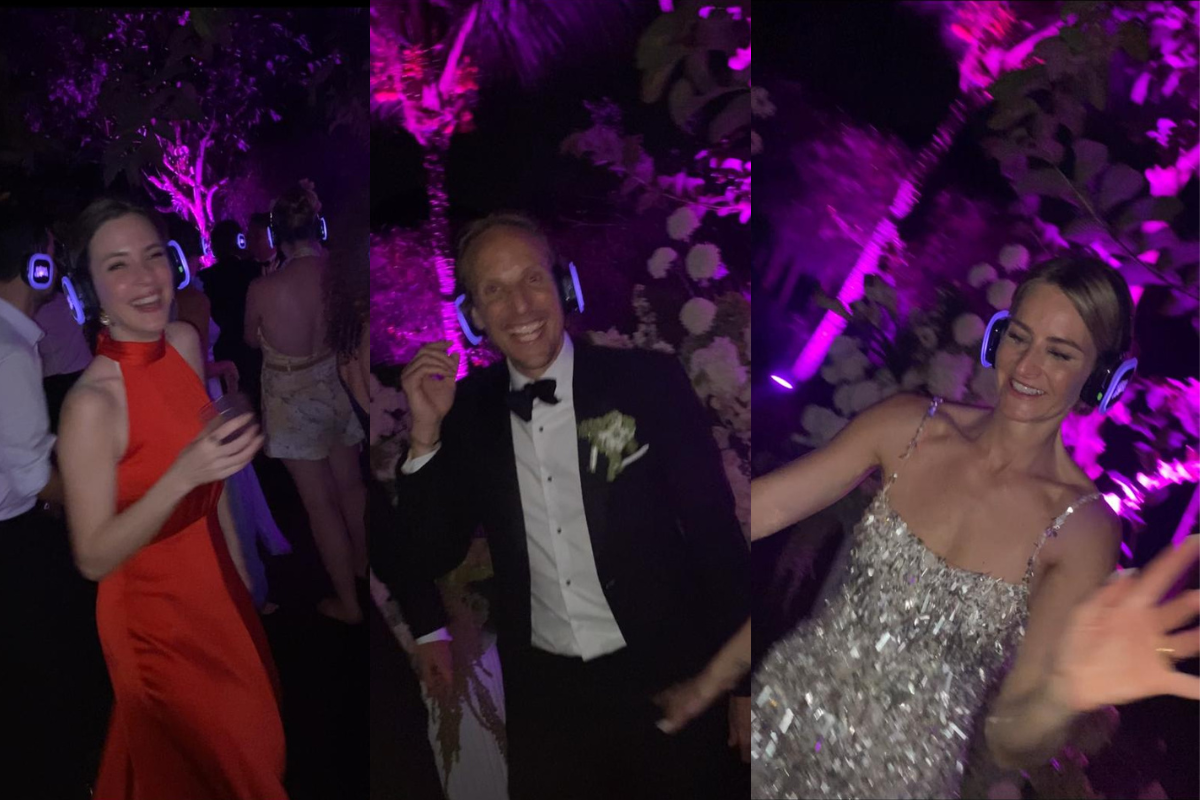
Our clients enjoying the evening beyond 10pm
You've booked your dream venue. You've spent months planning the perfect day. The flowers are sorted, the caterer is confirmed, and the DJ has the playlist locked in. Then — usually a few weeks before the big day — someone mentions the noise curfew.
If you're planning a wedding in Bali, chances are you've already come across this particular challenge. Bali's strict noise regulations mean that most venues across the island must cease amplified music by 10pm. For many couples, this comes as a genuine shock — especially those imagining a reception that dances on until midnight or beyond.
The good news? The 10pm curfew doesn't have to mean the end of your celebration. In this guide, we'll explain exactly how Bali's noise restrictions work, which areas are most affected, and the increasingly popular solution that couples and wedding planners across the island are turning to.
Understanding Bali's 10pm Noise Curfew
Bali is a deeply spiritual island. Many of its most sought-after wedding venues sit near temples, rice fields, and local villages — communities where residents rise early for ceremonies, prayers, and daily life. The noise regulations in place across the island reflect this cultural reality, and they're enforced with varying levels of strictness depending on the location and the local banjar (community council).
In practice, most venues will tell you that amplified sound — live bands, DJ systems, and speaker setups — must be switched off by 10pm. Some venues in more tourist-heavy areas like Seminyak or Kerobokan may have slightly later cutoffs, while venues in Ubud, Uluwatu, and more residential parts of Canggu tend to enforce the 10pm rule strictly.
What this means for your wedding reception is straightforward: the dinner and speeches are fine, the early dancing is fine, but the moment the clock approaches 10pm, the band packs up and the speakers go silent — whether you're ready to stop or not.
For a celebration that started at 5pm with a sunset ceremony, that leaves roughly three to four hours of music. For many couples, particularly those flying in guests from around the world, that simply isn't enough.
Why This Catches So Many Couples Off Guard
Bali's reputation as the world's premier destination wedding location means that couples often book their venue before they've fully understood what's involved in planning a wedding there. The noise curfew rarely comes up in the initial venue walkthrough, and it's sometimes mentioned only in the fine print of the contract.
Wedding planners who are based locally and experienced in Bali weddings will typically brief couples on this early. But for those planning from overseas — often with the help of an international planner unfamiliar with Bali's specific regulations — the curfew can arrive as a late and unwelcome surprise.
The consequences range from mildly disappointing to genuinely distressing. Guests who have flown across the world for your celebration find themselves standing around in the quiet after 10pm, unsure whether the party is over. The couple, still buzzing from the energy of the day, has nowhere to channel it. And the venue, obliged to comply, has no choice but to switch off the sound.
What Are Your Options After 10pm?
Most couples faced with this situation explore a few different paths:
Moving the party elsewhere. Some couples try to relocate guests to a nearby bar or beach club after 10pm. In reality, this rarely works well — guests are spread across different villas and hotels, transportation in Bali is complicated, and the momentum of the night is lost in the transfer.
Ending the reception earlier and accepting it. A pragmatic choice, but not the one most couples want to make on their wedding day.
Going acoustic. Some live musicians can continue playing without amplification, and a small acoustic set can keep the atmosphere alive. But for dancing, it rarely has the energy couples are hoping for.
Using a silent disco. This is the option that an increasing number of Bali wedding couples — and the planners who work with them — are choosing. And it's the one that actually works.
How a Silent Disco Solves the Curfew Problem
A silent disco uses wireless headsets to deliver music directly to each guest, rather than broadcasting through a traditional speaker system. Because the music is contained within each pair of headphones, there is effectively no amplified sound emitting from the event space.
This means the noise curfew — which applies to amplified sound, not to music itself — is bypassed entirely. The party continues. Guests dance. The DJ keeps playing. And the venue, the neighbours, and the local community remain completely undisturbed.
At Bali Silent Disco, we've been providing this exact solution for Bali wedding couples since 2024. Our setup is simple: we connect up to three separate music channels through wireless transmitters, which send audio signals to our German-designed headsets up to 400 metres away. This could be a Spotify Playlist, or a live DJ can still bring the energy transmitted into the headsets. Each guest controls their own channel and volume. The result is a fully immersive, personalised party experience — without a single decibel of noise pollution.
One of our couples, Gemma, summed it up perfectly: "You saved my wedding. We booked our venue and then found out the music curfew was 10pm. We were devastated — until we found Bali Silent Disco. It was such a fun way to end the best day of our lives."
What Makes a Silent Disco Ideal for a Bali Wedding Specifically?
Beyond solving the curfew problem, a silent disco has some additional advantages that make it particularly well suited to the Bali wedding context.
Venue flexibility. Many of Bali's most breathtaking locations are only accessible as wedding venues because they're quiet. Clifftop venues in Uluwatu, rice terrace settings in Ubud, jungle villas in Canggu — these locations are magical precisely because they're peaceful. A silent disco lets you celebrate in these places without changing their character.
Multiple music channels for diverse guest lists. Destination weddings bring together guests from across generations and cultures. With three simultaneous music channels available, your bridesmaids can dance to the latest hits while the aunts and uncles enjoy classics from another era — all on the same dance floor at the same time.
Easy transitions through the evening. The silent disco setup can also be used during dinner for background music, during speeches (guests simply remove their headsets), and then switched to full party mode when dancing begins — all without any complicated sound system changeovers.
Incredible photos. There's something undeniably visual about a room full of people dancing joyfully with glowing LED headsets on. Against a Bali backdrop — candlelight, tropical gardens, a starlit sky — these images are unlike anything in a traditional wedding album.
Weather resilience. Bali's tropical weather is unpredictable. If the reception needs to move indoors at short notice, a silent disco moves with it — no speaker rigs to relocate, no sound check to redo.
What to Tell Your Wedding Planner
If you're working with a Bali wedding planner, here's how to bring this into the conversation early:
Ask your planner specifically about the noise curfew at each venue you're considering. Find out the exact cutoff time, how strictly it's enforced, and whether the venue has had any issues with noise complaints in the past.
Once you have your venue confirmed, discuss the evening timeline in detail. If your reception is due to finish at midnight and music cuts at 10pm, you have a two-hour gap that needs a plan.
Let your planner know you're interested in a silent disco option. If they haven't worked with one before, introduce them to us — we work directly with wedding planners across Bali and are happy to provide packages, pricing, and a demo of the headsets in advance of the event.
Planning Ahead: A Timeline That Works
Here's how a practical Bali wedding evening might look with a silent disco built into the plan:
5:00pm — Ceremony at sunset
6:30pm — Cocktail hour, guests mingle, background music through silent disco headsets
7:30pm — Reception dinner begins, speeches, soft music channel available
9:30pm — Dance floor opens, all three music channels activated
10:00pm — Venue noise curfew begins, traditional speakers switch off
10:00pm–12:00am — Silent disco continues in full swing, guests dancing, celebrating
12:00am — Headsets collected, evening winds down naturally
The result is a full celebration — not one cut short by a curfew — with a seamless transition that most guests barely notice.
Ready to Keep the Party Going?
If you're planning a wedding in Bali and the 10pm curfew has been keeping you up at night, we'd love to help. Bali Silent Disco provides flexible packages for events of 30 to 200+ guests, with delivery and setup across South Bali and beyond.
Get in touch to request a quote, ask questions, or arrange a demo of our headsets before your event.
📧 balisilentdisco@gmail.com
📱 WhatsApp +62 823 3564 9205
🌐 www.balisilentdisco.com
📸 @balisilentdisco